About the project
Problem
Outdated platform unable to keep up with growing demands
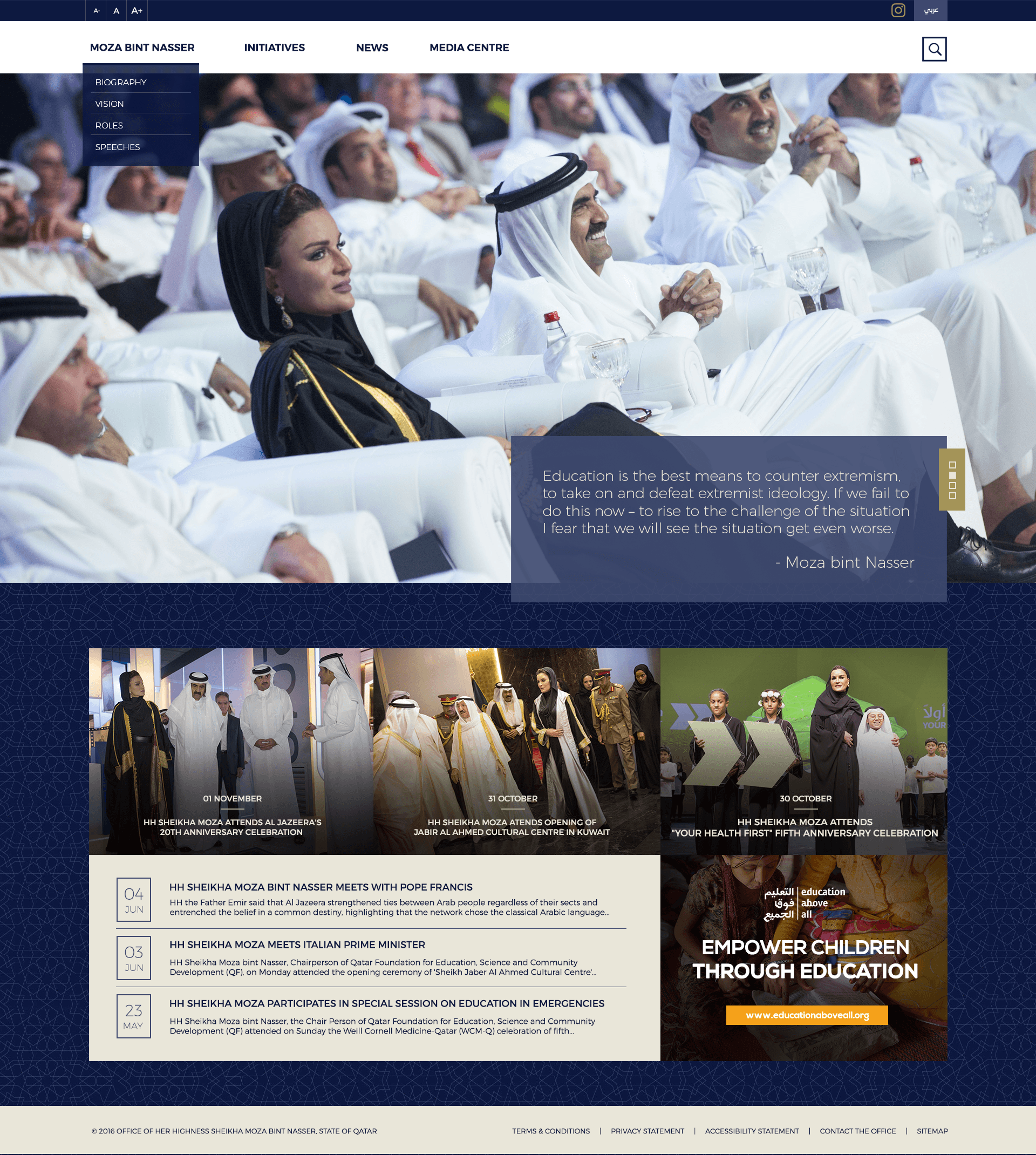
Her Highness Sheikha Moza bint Nasser, chairperson of Qatar Foundation, faced a challenge: her office (CPO) was overwhelmed with requests for high-quality images from her global appearances. The existing website, a simple, outdated photo library, was inadequate for the needs of its users, including journalists, PR teams, and media professionals. It lacked the ability to quickly deliver high-quality, curated content and failed to serve the growing and diverse global audience that sought fast, intuitive access to press statements, updates, and images that aligned with Her Highness's global influence and leadership.
Solution
Revamped platform for diverse global stakeholders
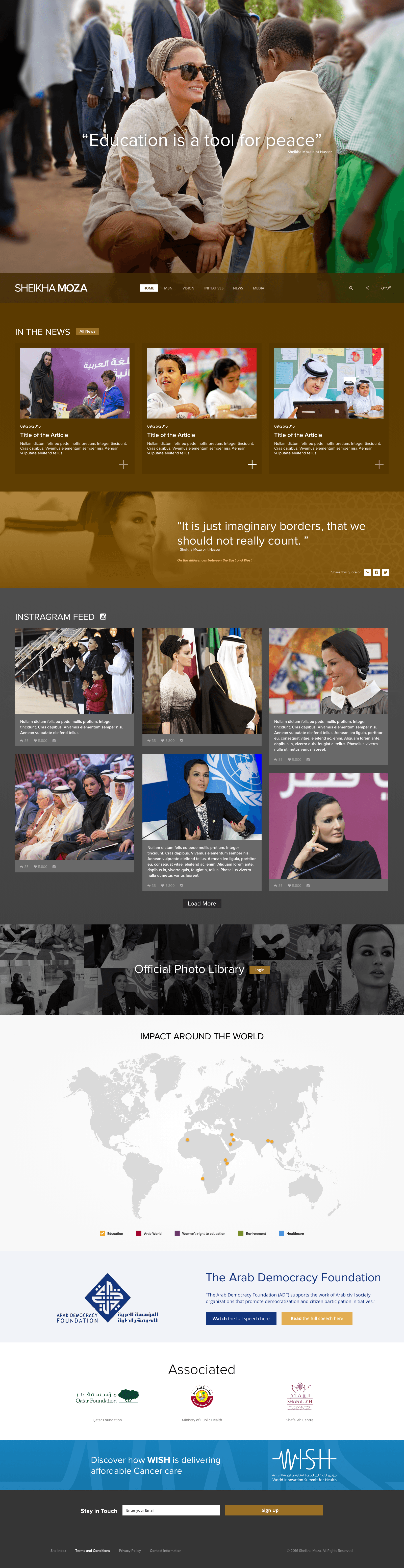
I led the design and strategy for a scalable, brand-aligned digital platform that transformed the site into a global media access point. Some of the key features in addition to the searchable photo library included a responsive design and content integration to serve internal and external stakeholders.
Key issues
Current Website Analysis:
Impersonal, unapproachable design, with critical content buried in long blocks of text.
Focused on outdated news rather than Sheikha Moza’s ongoing work.
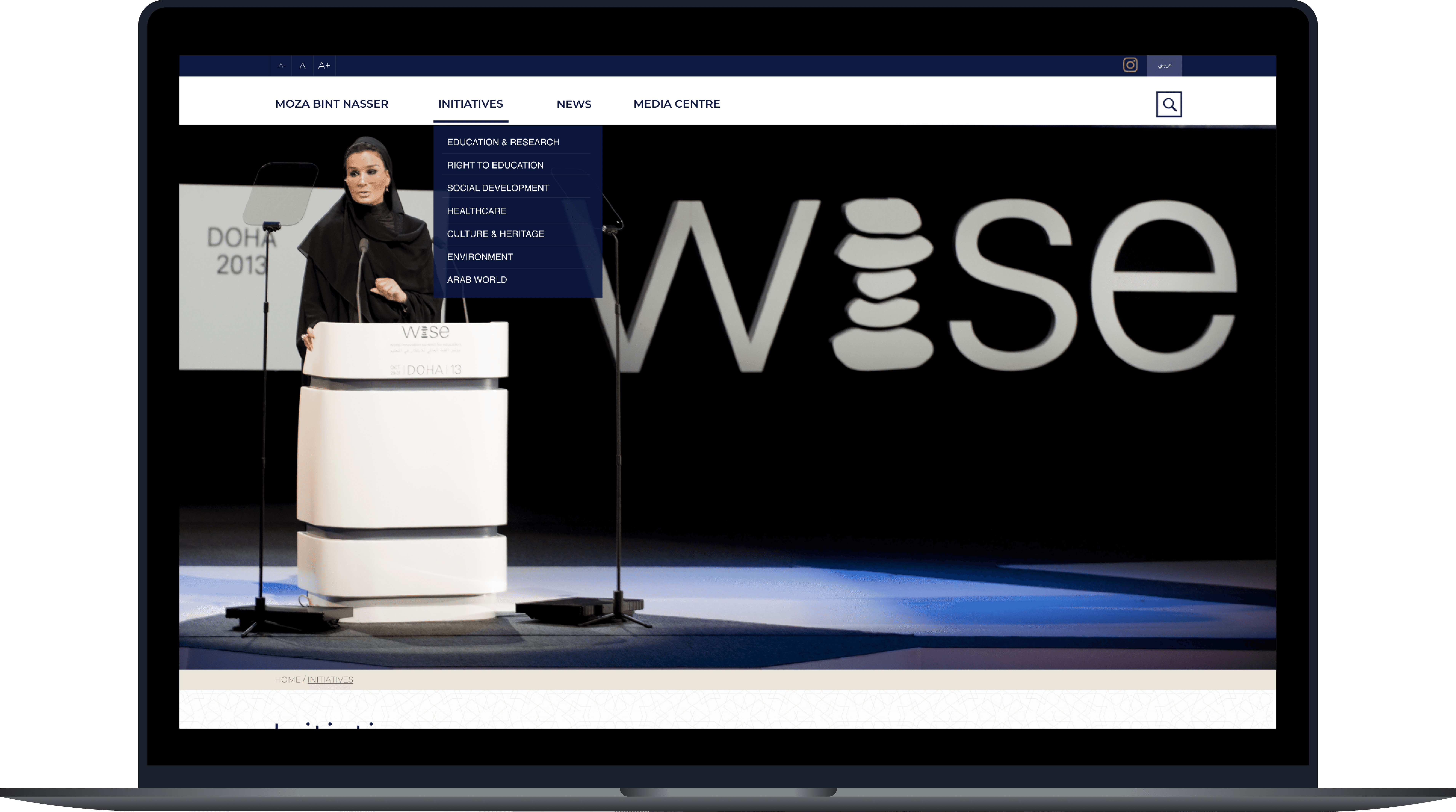
Key content was hard to find, lacking clear navigation.
Limited showcase of active engagements, missing opportunities to engage visitors or encourage action.
Visually underwhelming, failing to capture the dynamic nature of HH’s global efforts.
Based on their current website evaluation, one of the key issues was the misalignment with the vision and new intended scope of application, along with other issues like content, navigation and lack of branding.
Fragmented User Experience: The old site lacked functionality beyond serving as a basic image repository. It didn’t cater to the needs of journalists, influencers, and other global users who required an easy, intuitive way to access high-quality, organized visual content.
Nonexistent Brand Presence: Without a clear branding strategy or guidelines, the site didn’t reflect the full scope of HH Sheikha Moza’s global role and mission. The presence was lacking cohesion across all digital touchpoints.
Through stakeholder engagement, it became clear that the scope of the project was larger than a simple photo library. The opportunity emerged to create a platform that not only showcased images but also amplified Sheikha Moza’s voice and global leadership.
Opportunity
Focused on doing without seeking recognition, the project required not just a visual overhaul, but a strategic reframing of the website’s core purpose. The challenge was not only designing a platform to house high-quality images, but transforming it into an active digital tool for global communication and stakeholder engagement. Reframing the website from a media hosting platform to the first point of contact from global communications required a holistic design solution. The opportunity lay in:
Shaping the Global Brand: The opportunity to craft a unified digital experience that would reflect Sheikha Moza’s leadership and humanitarian efforts, ensuring her presence aligned across all platforms.
Target Audience Clarity: Defining the target audience beyond “everyone” to ensure the platform catered to the right stakeholders, including journalists, PR teams, and media professionals, while aligning with Her Highness’s broader goals.
Designing for the Ecosystem: Extending the platform’s reach beyond the website to create a cohesive experience across different devices, touchpoints, and digital channels, would require thoughtful consideration of responsive design and cross-platform interactions.
Key features
The solution was to craft a strategic digital platform that would transcend a traditional photo library by incorporating functionality, user experience, and brand identity. Reframing the website as a communications platform featured:
Intuitive Photo Library: A clean, organized, and searchable photo library where journalists could quickly access high-quality images based on events, dates, or themes.
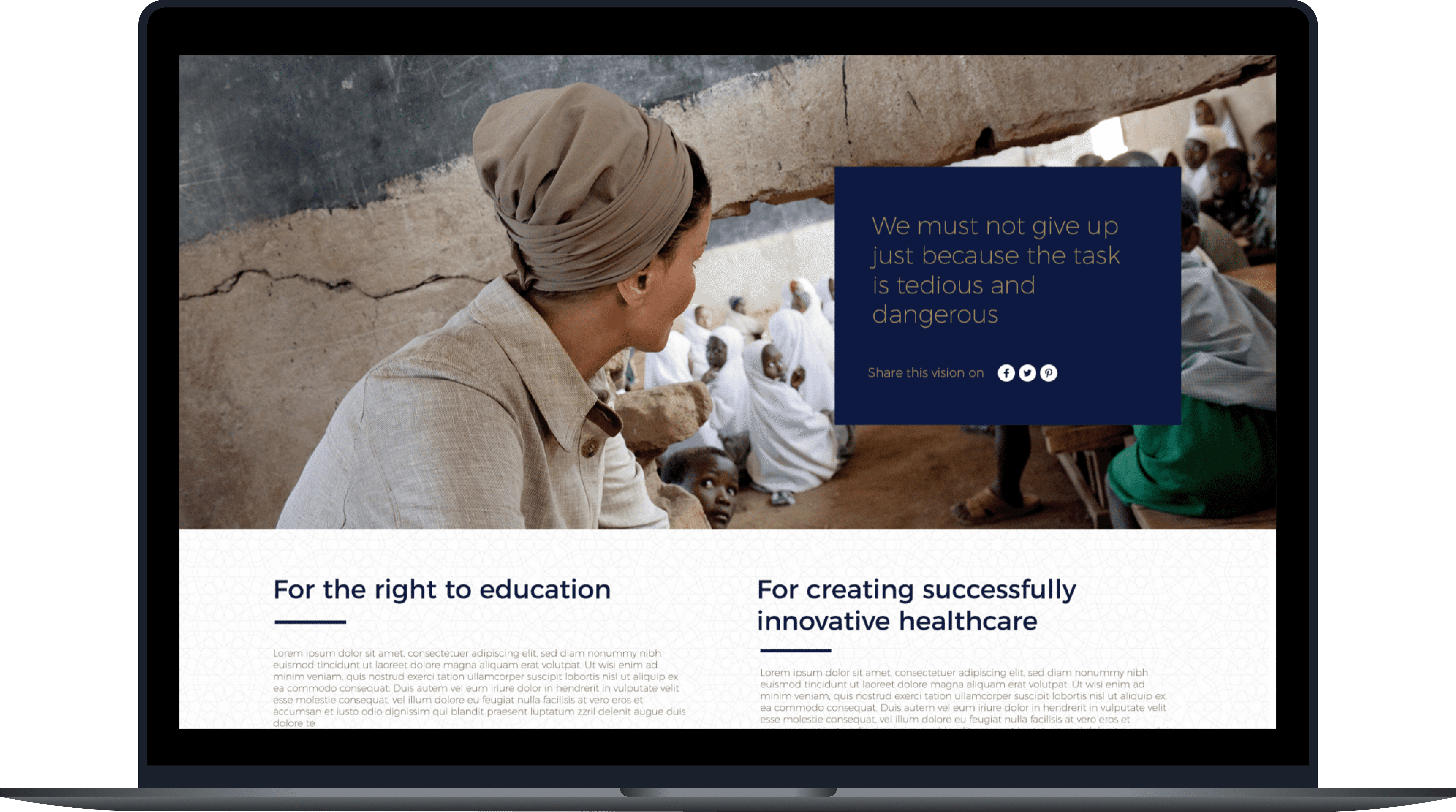
Responsive and Cross-Platform Design: The website was optimized for all devices, ensuring seamless access across desktops, tablets, and smartphones, while also considering how users interacted with the platform in diverse environments.
Stakeholder Communication Features: Integrated functionalities such as feedback loops and collaboration tools to engage the CPO team and ensure they had a streamlined workflow for managing requests and image distribution.
Client identified features (workshops):
Visually Appealing & Engaging Design with a more cohesive branding identity, as informed by the team’s design work.
Easy Navigation for a seamless user experience.
Exclusive & Sharable Content to boost engagement and social media presence.
Mobile Friendly & Responsive design for accessibility on all devices.
Categorized Content, including images, videos, quotes, and excerpts of speeches.
Simple, Straightforward Structure with less text and strong visuals.
Methodology
From analyzing the existing website and conducting user research to benchmarking and several rounds of usability testing, the process of revamping the website involved several strategic steps:
Conducted 2 rounds of research, UX audit and benchmark analysis
Facilitated 3 workshops (discovery, ideation and co-creation)
Kickoff Workshops and Stakeholder Engagement: The project began with a critical kickoff workshop where I asked “Why?” repeatedly to uncover the real needs of the CPO team and identify the most important stakeholders. We conducted user research with journalists, PR teams, international organizations and their specific needs. This helped us fast-track key decisions and bring the right people into the conversation.
User Research and User Archetype Development: We conducted research to define who the primary users were; journalists, PR teams, international organizations, and their specific needs. I led the creation of user scenarios and prototypes to visualize how different stakeholders would interact with the platform. This allowed us to test and iterate on design concepts early in the process.
Co-Creation Workshops: Engaged directly with the CPO team throughout the design process, conducting ideation sessions to refine the user experience, gather feedback, and ensure the platform aligned with Sheikha Moza’s personal and organizational brand.
Testing and Iteration: After initial prototypes, we conducted usability tests to refine the platform’s interactions, ensuring that the site was not only visually appealing but also intuitive and functional.
Outcome
The outcome of this project was a strategic and functional photo library that elevated the digital presence of Sheikha Moza, allowing for seamless global access to her image assets. The key takeaways include:
Enhanced Stakeholder Engagement: The CPO team was able to manage requests efficiently, while users could access high-quality images faster and more intuitively. The platform became a hub for communication, reinforcing Sheikha Moza’s global brand.
Streamlined Content Management: The CMS allowed for easy updates and content management, ensuring the website remained fresh and relevant without requiring heavy technical support.
Strong Brand Alignment: The new site better reflected Sheikha Moza’s global leadership and humanitarian efforts, aligning her online presence with her real-world impact.
Scalable Solution: The platform was designed with scalability in mind, meaning it could grow as Sheikha Moza’s global work expanded, accommodating new content and stakeholders as necessary.
Reflections
Design as a Strategic Tool: This project reinforced the importance of strategic design in shaping how a brand is perceived and experienced across the globe. It wasn’t just about creating a beautiful website; it was about crafting a digital experience that communicated a powerful global message.
Stakeholder Involvement is Crucial: The project highlighted the importance of active client engagement. Working closely with the CPO team, gathering input, and refining the design collaboratively was key to overcoming challenges and ensuring the final product met expectations.
Ecosystem Thinking: Designing for the ecosystem beyond just the website was essential. We had to think about how the platform would work across various touchpoints and how content would be consumed across different devices.
Empathy in Design: This project was particularly meaningful because it allowed me to connect deeply with the mission behind Sheikha Moza’s work. Understanding the core goals of her initiatives and how best to support them through design gave me a unique perspective on user empathy.
Client
Chairperson of Qatar Foundation
Stack
Adobe XD Sketch Figma WordPress (CMS) Google Analytics
Role
Design Researcher UX Designer Strategist
Year
2016
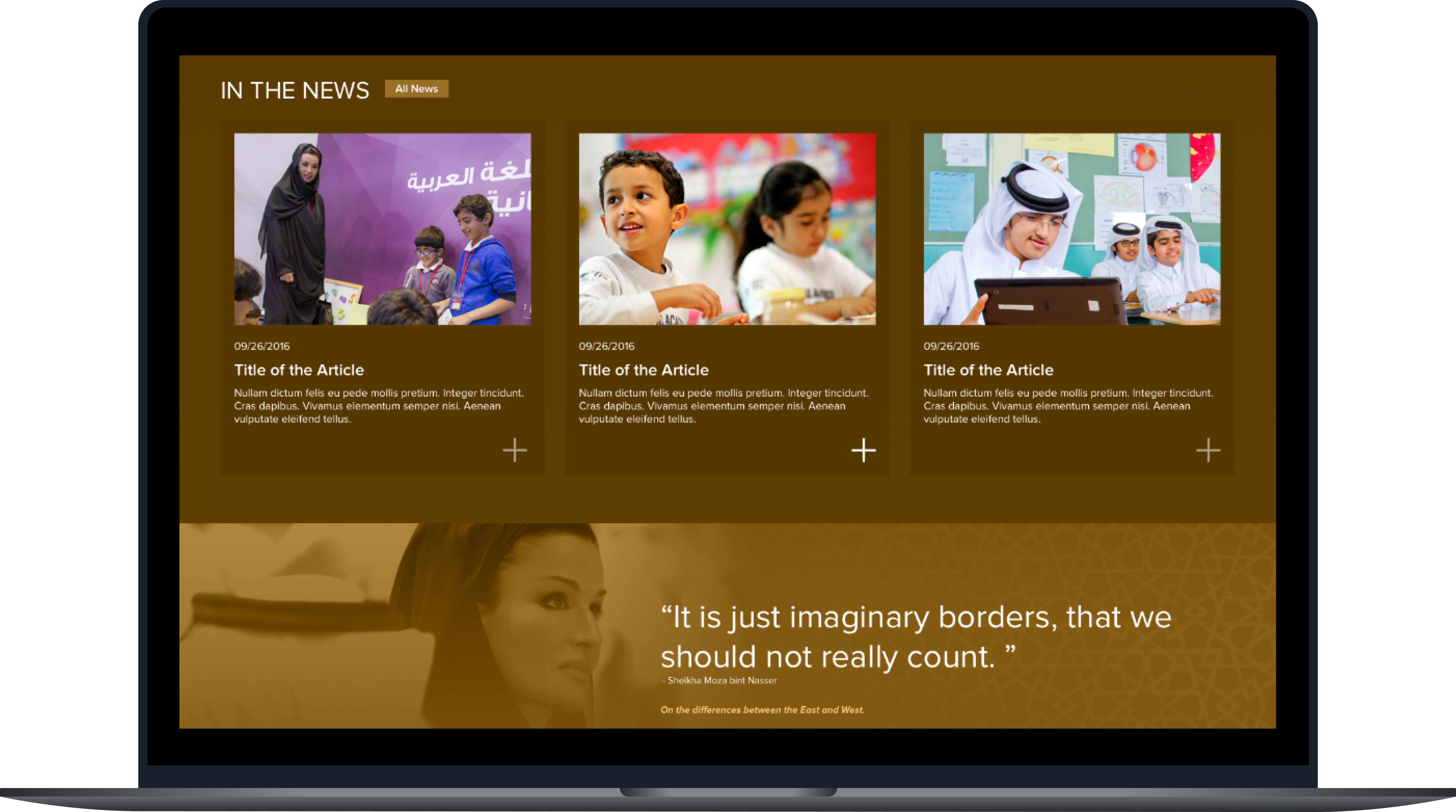
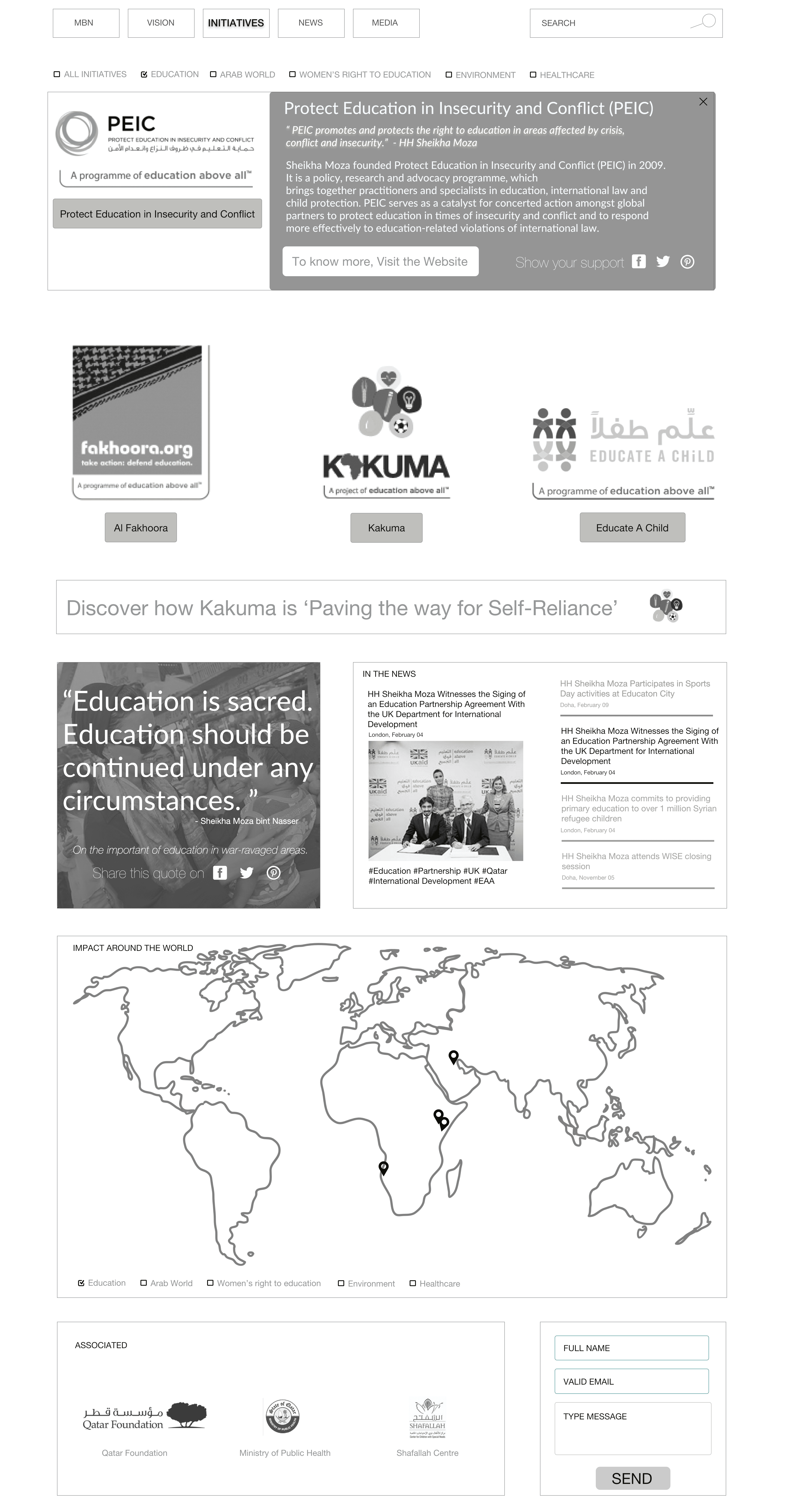
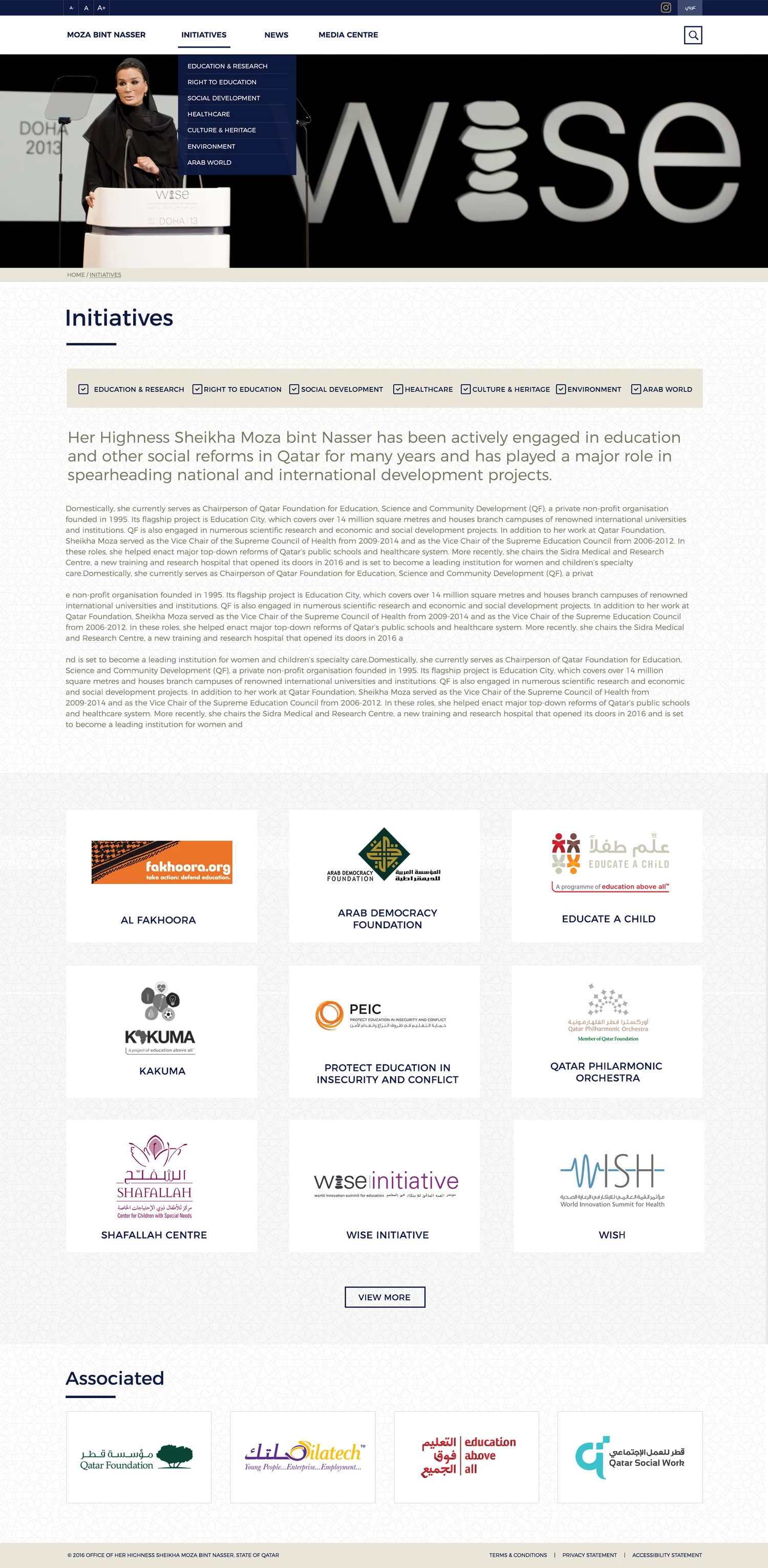
Visuals
See also
Reshaping Canada's ER Front Door
How Intelligent Automation and Streamlined Workflows Can Alleviate ER Bottlenecks and Improve Patient Care
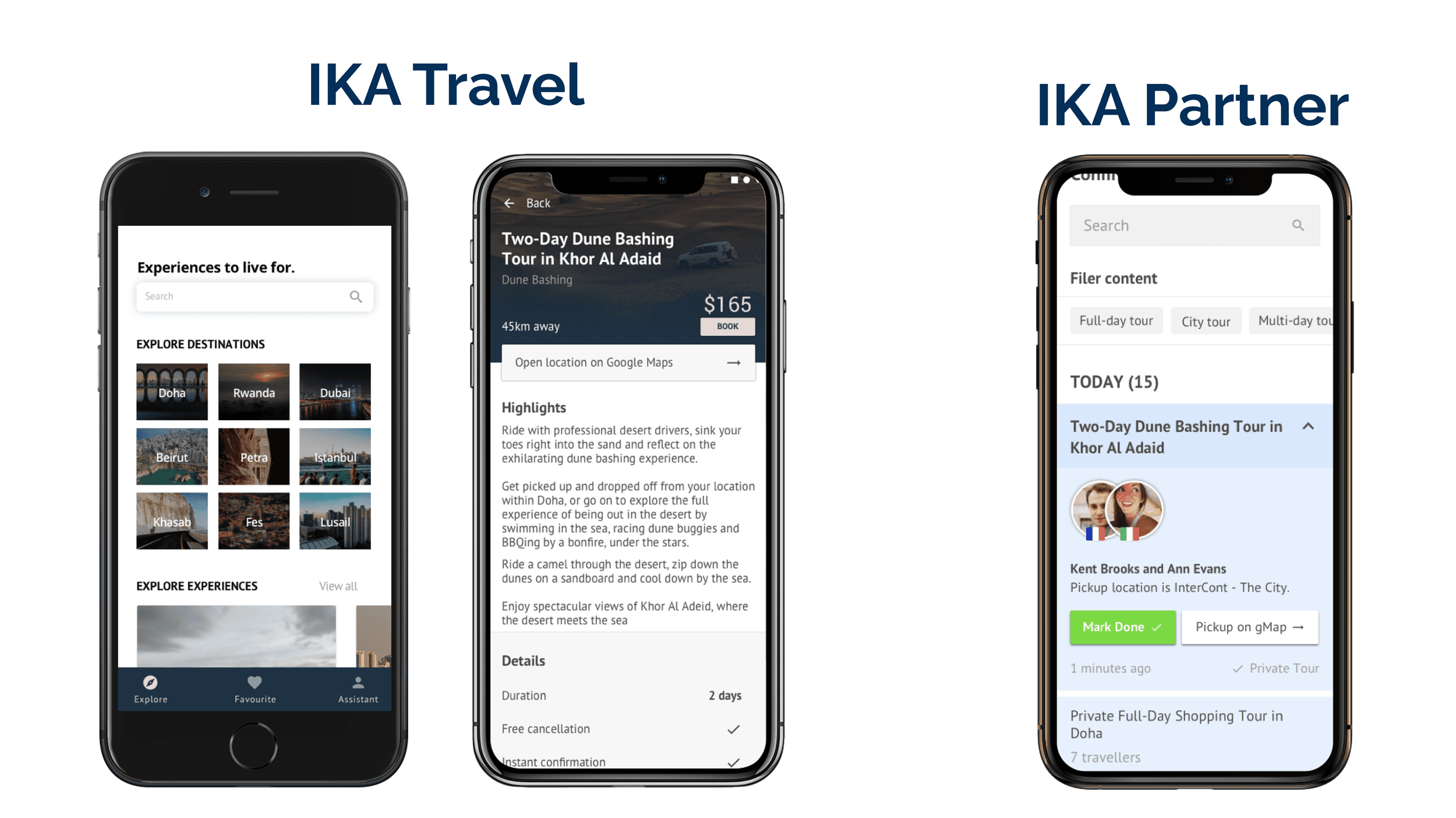
IKA Travel
Women's safety-first travel experiences marketplace
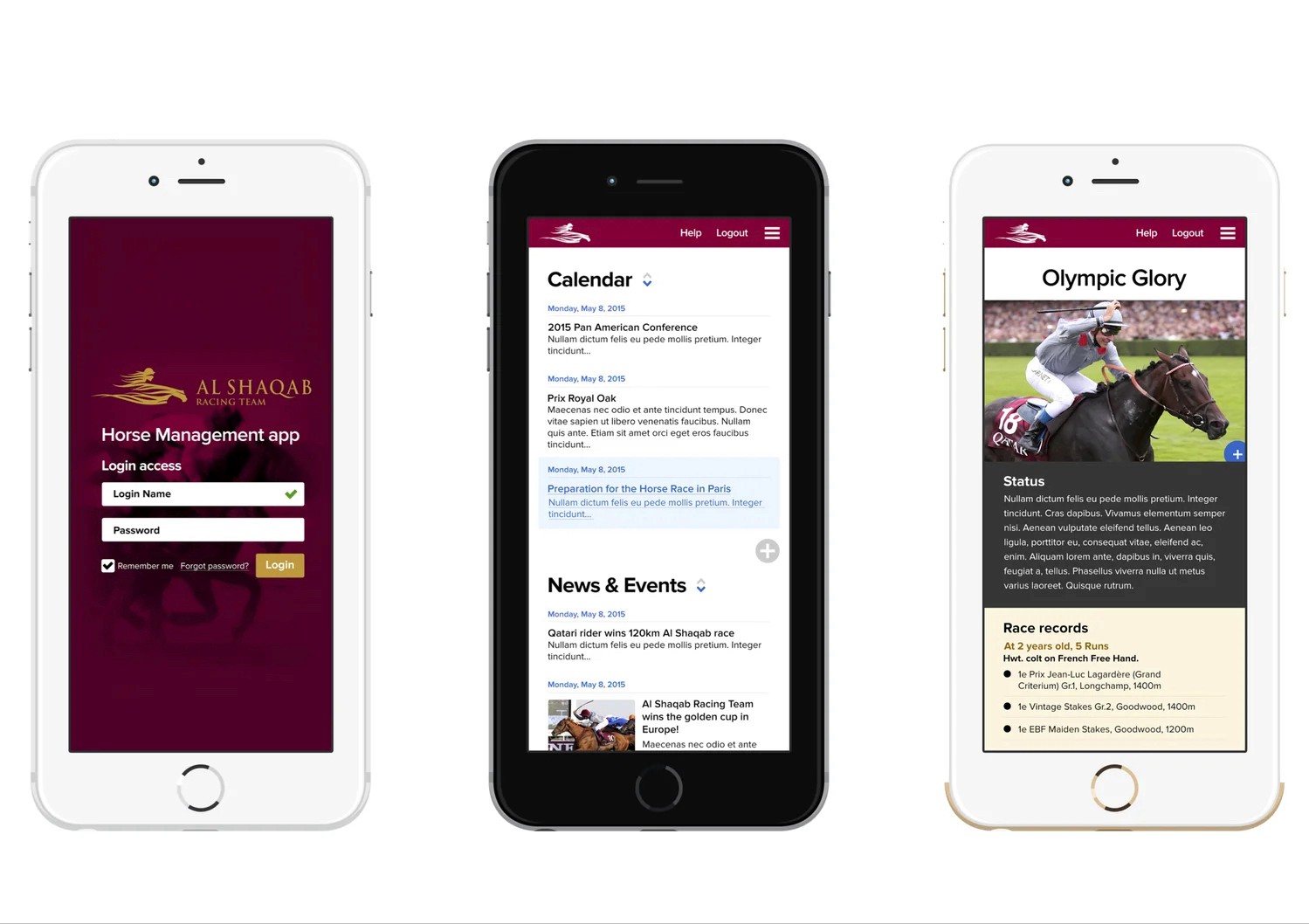
Al Shaqab Racing
Equestrian Management, Mobile-First App
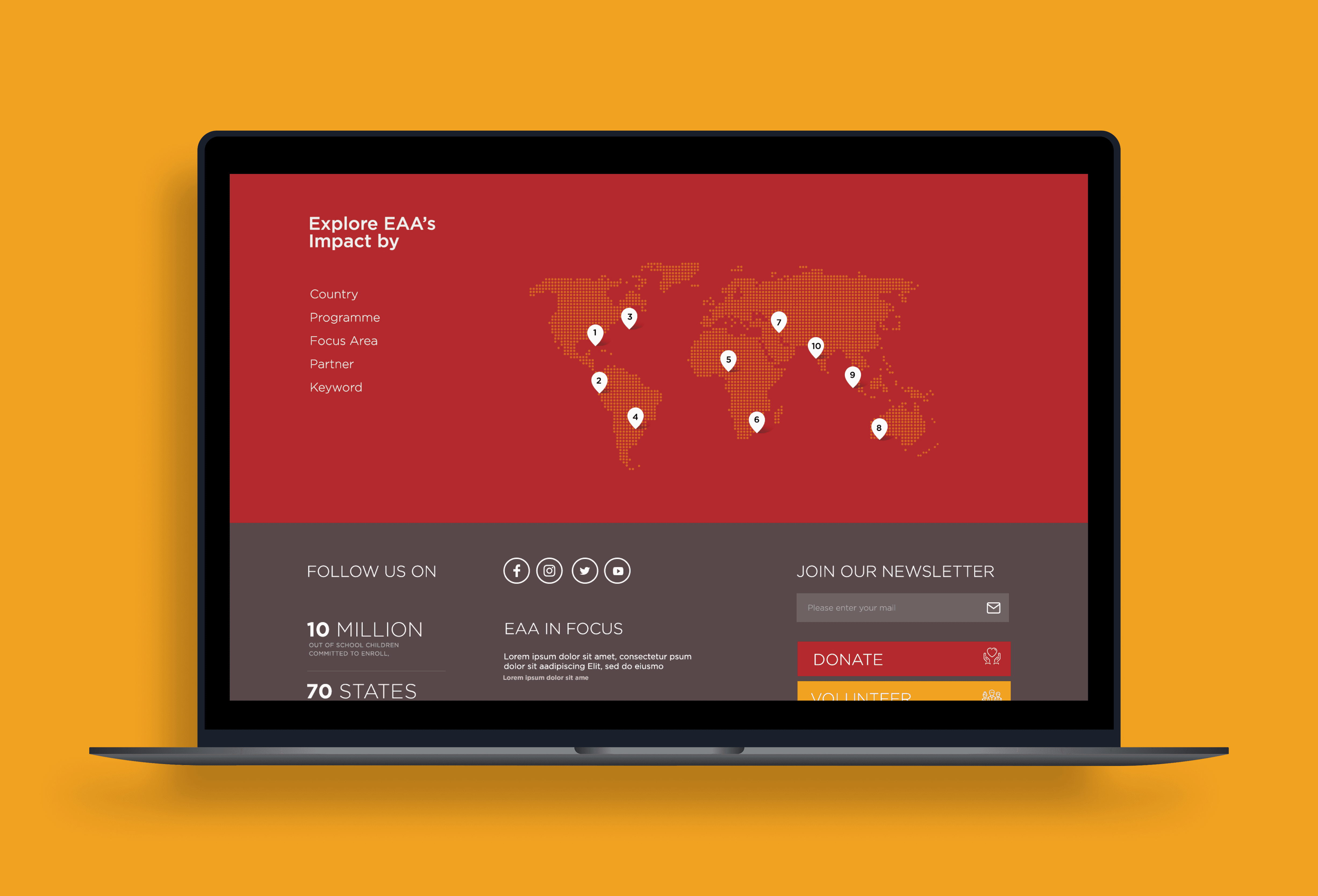
Education Above All
Global Platform Redesign for Digital Transformation and Client-Centric Impact